

The Elecnor Foundation provides electricity to disadvantaged communities in Honduras
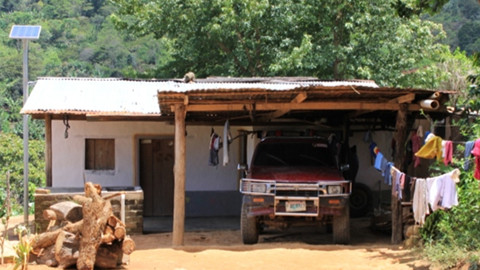
The Elecnor Foundation has officially launched the “Ilumina” project. Elecnor, through the Elecnor Foundation, has developed its first Social Infrastructure project in Honduras, where it has been operating for three decades, to contribute to the implementation of electrical infrastructures.
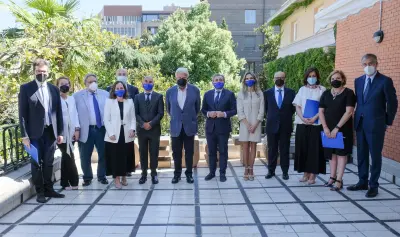
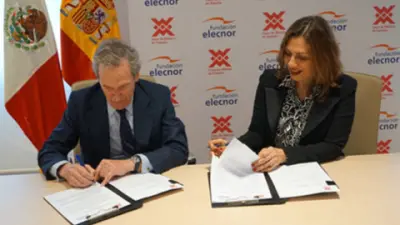
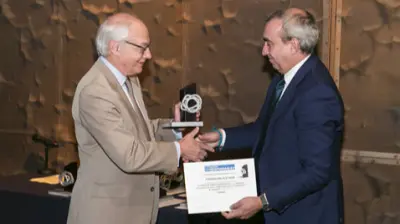
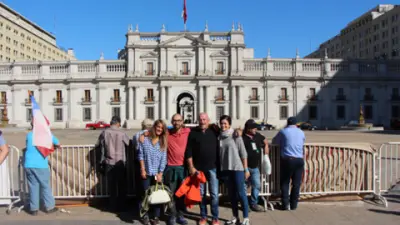
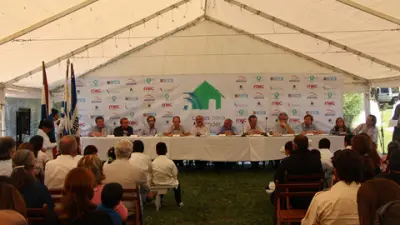
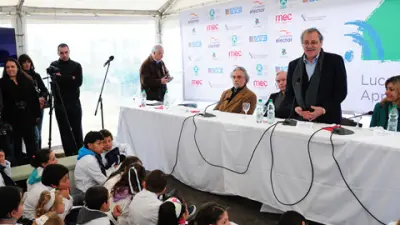
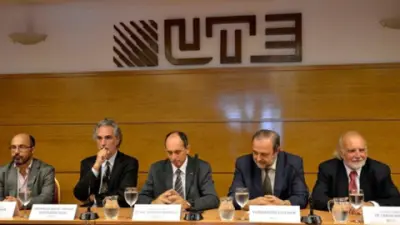
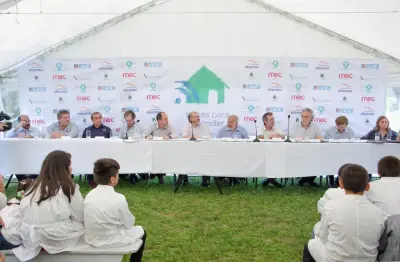
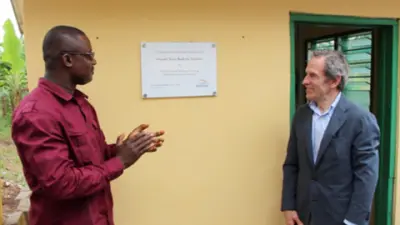
The opening event was witnessed by the Ambassador of Spain in Honduras, Luis Belzuz de los Ríos, and the Mayor of the municipality of Cantarranas, Francisco Gaitán. Carmen González de Aguilar, patron of the Elecnor Foundation; Rafael Martín de Bustamante, Elecnor CEO and member of the Foundation’s Advisory Board; and José Manuel Enríquez, Elecnor General Manager for Central America, represented the company and the Foundation.The opening event was witnessed by the Ambassador of Spain in Honduras, Luis Belzuz de los Ríos, and the Mayor of the municipality of Cantarranas, Francisco Gaitán. Carmen González de Aguilar, patron of the Elecnor Foundation; Rafael Martín de Bustamante, Elecnor CEO and member of the Foundation’s Advisory Board; and José Manuel Enríquez, Elecnor General Manager for Central America, represented the company and the Foundation.
‘The Elecnor Foundation firmly believes in the “Ilumina” project and hopes to boost the economic development of this area of Honduras, improve the living standards of the inhabitants, and protect the environment using renewable energies,’ said Rafael Martín de Bustamante.
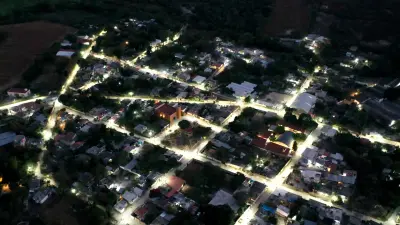
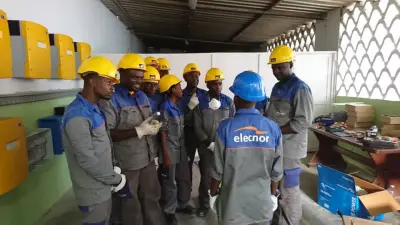
The project involves the installation of 120 photovoltaic systems in homes, three schools and a fire station, which is also home to the municipal ambulance. The arrival of electricity, powered by photovoltaic solar energy, to these communities will improve the living standards of more than 750 inhabitants and contribute to boosting the economic development of the area, cutting back on electricity expenses by replacing the fossil fuel (firewood) that was formerly used to generate lighting. The project will also boost connectivity by providing the electricity required to charge mobile devices to interconnect the inhabitants in the region.
Furthermore, the installation of a clean, renewable energy, such as photovoltaic solar energy, in the region has improved the quality of life and the ecosystem in the area, by cutting down on CO2 emissions.
Social and Educational Improvement
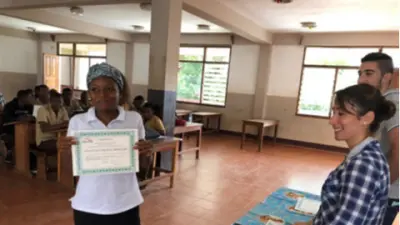
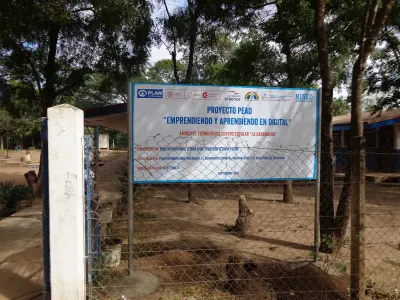
Apart from its repercussion as a social infrastructure action, the Ilumina project has also made a positive impact on the area thanks to its solid educational commitment. Schools have been able to extend class timetables thanks to artificial lighting powered by photovoltaic solar energy, and in addition the Foundation has donated audiovisual and computer equipment to the children that are schooled in the region.
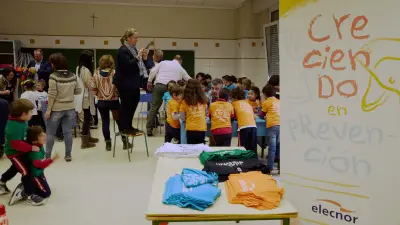
Furthermore, the Elecnor Foundation actively engaged all Elecnor employees to take part in a parallel action to donate books and educational toys and games for the schools in the municipality of Cantarranas. The initiative was hugely successful, and the staff collected over 1,300 books and more than 800 educational toys and games.
The Elecnor Foundation has developed other projects in parallel to its first social infrastructure project. The institution spearheads and develops social infrastructure projects in the countries where Elecnor has consolidated its presence. Such is the case of the Dominican Republic and Ghana, where the Elecnor Foundation strives to facilitate the population’s access to essential resources such as drinking water and electricity.