

Durazno unveils its first renewable energy hub
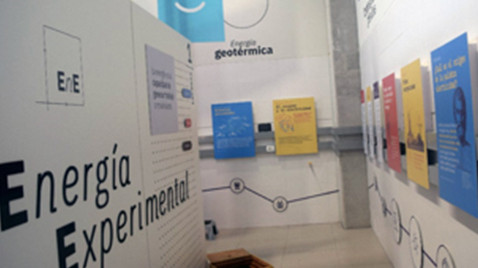
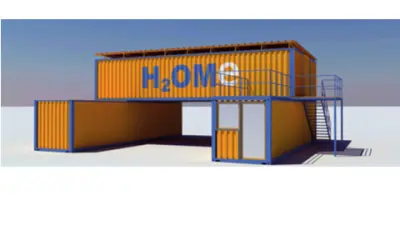
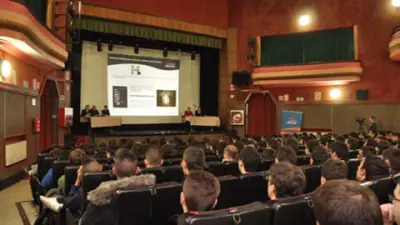
As part of the next phase of the "Luces para Aprender" Uruguay project, Durazno has unveiled its first renewable energy hub at the "Instituto Tecnológico Regional Centro-Sur de UTEC" (Central-South Regional Technological Institute of the Technological University of Uruguay).
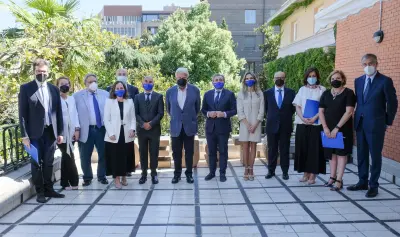
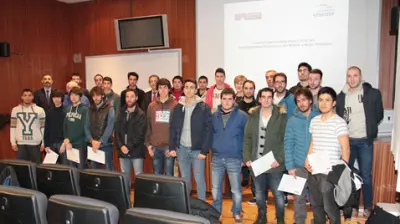
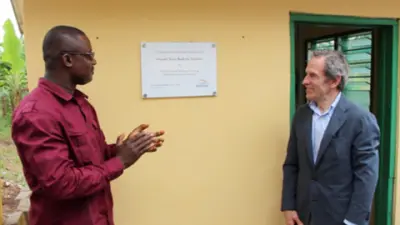
On Thursday 8 August, the hub was opened by the Organization of Ibero-American States (OEI), UTE ("Administración Nacional de Usinas y Trasmisiones Eléctricas" — Uruguay's government-owned power company) and the Elecnor Foundation, with the support of the Latin American Development Bank (CAF).
A joint commitment
The teaching space opened at the UTEC campus in Durazno has created a hub that will help further the promotion of renewable energy.
The experimental energy space provides information and raises awareness about the promotion of clean energy and its impact on the environment and development. This hub will be visited by thousands of students of all ages, as well as by the community of Durazno.
It will enable children, young people and adults to familiarise themselves with the use and sustainability of clean energy. Over the coming months the project will be extended to both the Rivera and Treinta y Tres departments.
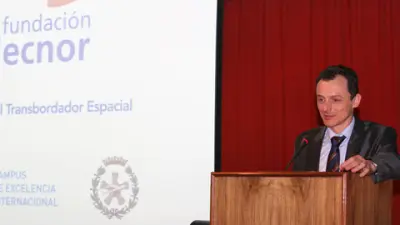
During the opening, Sandra Rodriguez, Director of the OEI Uruguay Office, recalled the beginnings of the "Luces para Aprender" project, "which was originally aimed at providing electricity and connectivity to rural public schools that lacked it. Uruguay has been able provide all of these schools with electricity. This is thanks to the support of UTE and the Elecnor Foundation".
About "Luces para Aprender" Uruguay (LPAU)
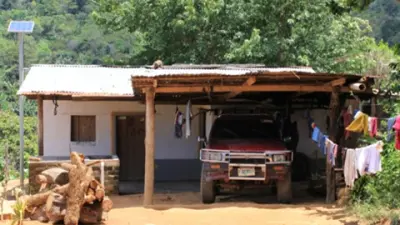
In 2014, the Elecnor Foundation, UTE and the OEI signed an agreement in Uruguay that gave rise to the "Luces para Aprender" project, created to provide electricity to over 80 rural schools in Uruguay.
The project consisted of installing a photovoltaic system in each school — providing them with renewable, sustainable and environmentally friendly energy. Having electricity has made it possible to provide lighting in schools used by the youngest students, as well as allowing schools to be used as meeting places after dark. Electricity drives progress and helps to reduce inequality and multiply opportunities.