

The challenges of obtaining sustainable development based on lower energy and water consumption
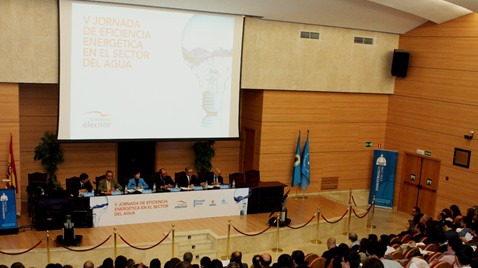
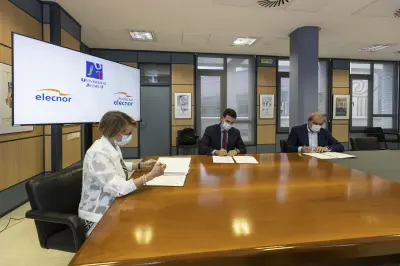
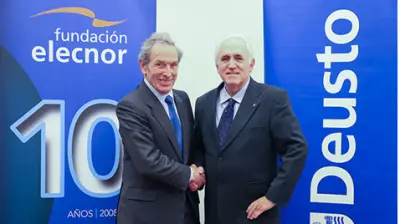
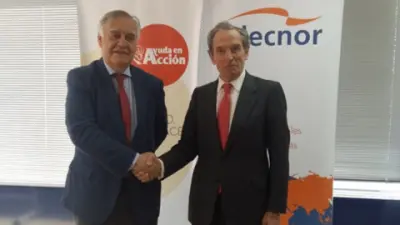
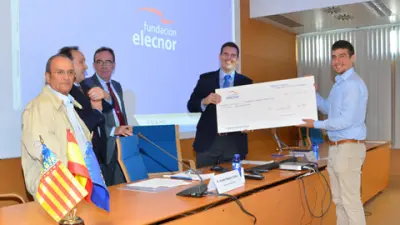
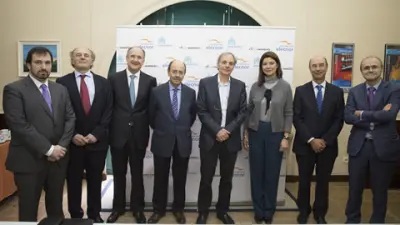
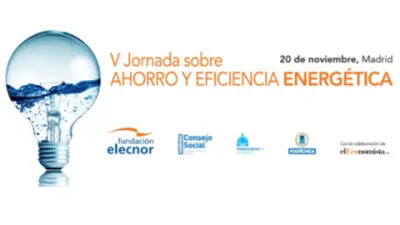
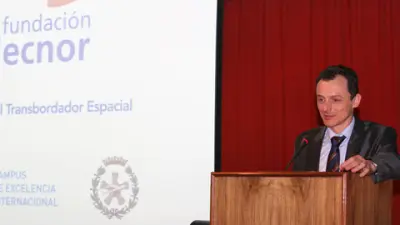
Elecnor, through its Elecnor Foundation Renewable Energy and Energy Efficiency Chair, and the Social Council of the Technical University of Madrid (UPM), have held a new edition of the "Energy Efficiency and Savings Conference", focused on water and energy.
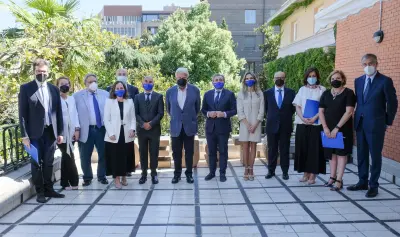
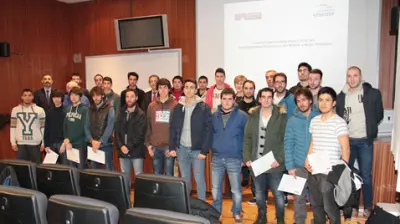
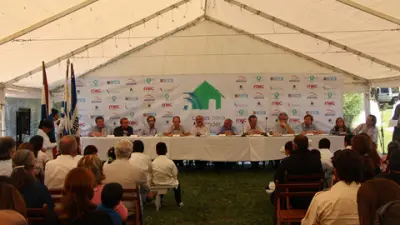
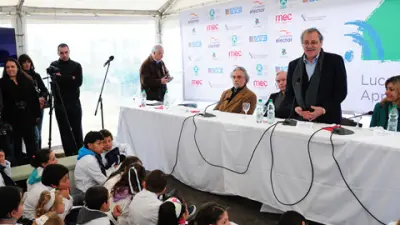
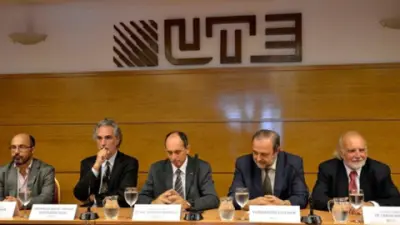
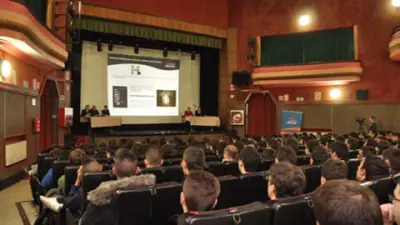
Once again, the auditorium of the Higher Technical School of Engineering of the Technical University of Madrid welcomed more than 250 people to this event featuring representatives from the corporate world and the world of education to analyse proposals and solutions to reduce energy consumption in obtaining, distributing, treating and using water for sustainable economic and social development.
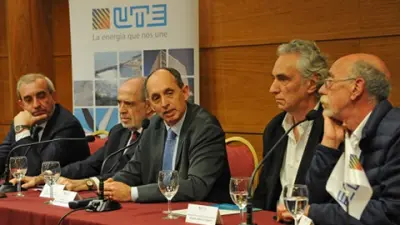
The day was divided into two round tables. The first of these featured some of the country's leading water companies such as ACUAMED, Aguas de Valencia, Canal Isabel II, the National Federation of Spanish Irrigation Communities (FENACORE) and Elecnor. All had the opportunity to explain their efforts in improving efficiency and savings in water management and treatment.
The presentations by Fermín López, Director of Engineering and Exploitation at ACUAMED; Juan José Pérez, Director of Exploitation at Aguas de Valencia; and Belén Benito, Operations Manager at Canal Isabel II, focused on the keys to producing water at a minimal energy and environmental cost. Some of the issues repeated included the importance of monitoring to avoid leaks and losses along the grid; infrastructure improvements (treatment lines, pumping output, etc.); process optimisation, and the search for more competitively-priced energy purchase mechanisms.
Andrés del Campo, Chairman of FENACORE, representing Spanish irrigated land, which comprises 15% of the territory and produces 60% of the country’s food, emphasised the importance of sustainable irrigation to cope with the greater demand for food between now and 2050 given the world’s increasing population.
Finally, Walter Blümm, Head of Environmental Exploitation at Elecnor, also underlined the importance of seeking energy efficiency as soon as a water management and treatment infrastructure is planned, leveraging the collaboration and experience of the agents involved in the engineering and construction, as well as those responsible for the operation of the water treatment plants, such as Elecnor, who know how to optimise their use and energy over the long term.
RD&i for sustainable energy and water
The second round table featured representatives from Spain’s cutting-edge tech firms such as Gaiker, Elecnor Deimos, Perga Ingenieros, Grundfos and Atersa, a photovoltaic subsidiary of the Elecnor Group.
This session was more technical and presented some of the most innovative solutions currently in the market to deal with water-energy efficiency and sustainability issues.
Javier Etxebarría, a researcher from Gaiker's Environment and Recycling Area, explained the importance of using biological processes to save energy in water treatment.
For his part, Carlos Fernández, head of Business Development and Systems at Elecnor Deimos, explored the advantages of using satellite images in agriculture to provide precise data on the health of the crops and the need for irrigation or fertilisers, and the resulting time, cost and environmental savings this can bring.
The General Manager of Perga Ingenieros, José Miguel Pérez, presented an example of Spanish RD&i which allows renewable electricity generation without impacting the environment: the hydraulic microturbine which uses the natural flow to produce energy, a tool already being used by Canal Isabel II.
Likewise, José Ramón Vilana, General Manager of Grundfos, explained the advantages of the hydraulic pumps as a technological solution in reducing energy consumption. Mr. Vilana explained that if all the pumps in the world today were replaced by new efficient hydraulic ones, energy consumption could be cut by 4%, in other words, the daily energy consumption of approximately 1 billion people.
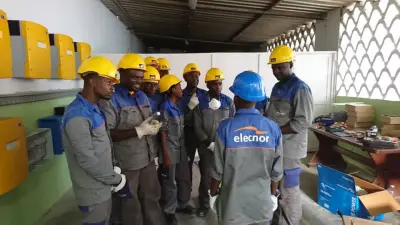
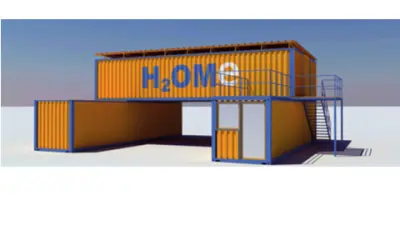
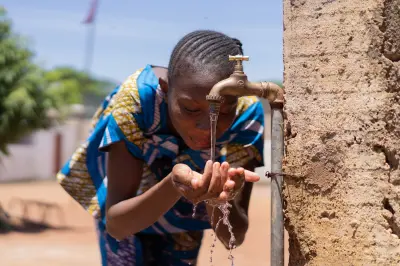
Finally, Carlos Gómez, of Elecnor, and Jacinto Bravo, of Atersa, presented two innovative projects which combine renewable energy (PV solar) and water: H2OME, a “sustainable and multifunctional module” is a versatile and efficient way of supplying drinking water in developing countries; and EasySunPump, a direct battery-free PV pumping system.
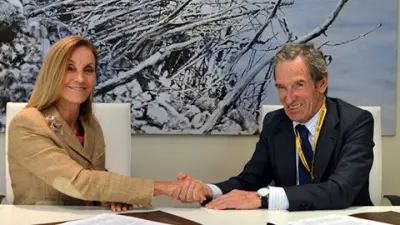
The conference closed with the speakers' opinions on the challenges facing this sector in the future. The event, organised by Elecnor and its Foundation, once again provided an excellent opportunity to bring the energy debate into the university.